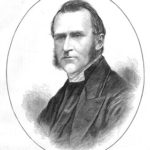



Arminius wrote, “Not only does the very nature of God and of things themselves, but likewise the Scriptures and experience do evidently show that Providence belongs to God. But Providence denotes some property of God, not a quality, or . . . a capability, or a habit; but it is an act which is not ad intra nor internal, but which is ad extra and external; and which is about an object . . . different from God, and that is not united to Him from all eternity in His understanding, but as separate and really existing.”1